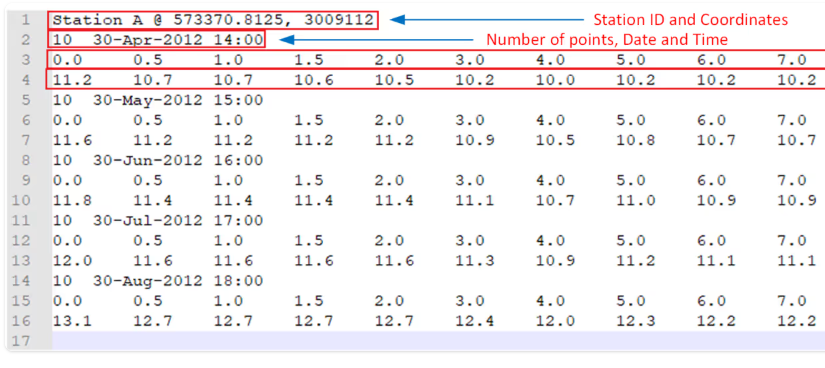
Configuring Vertical Profiles
Following the implementation of COARE 3.6 in the EFDC+ code, a new option for calculating water surface heat exchange has been added.
Following the implementation of COARE 3.6 in the EFDC+ code, a new option for calculating water surface heat exchange has been added.
Developing a hydrodynamic or a water quality model may require input of boundary conditions from other models.
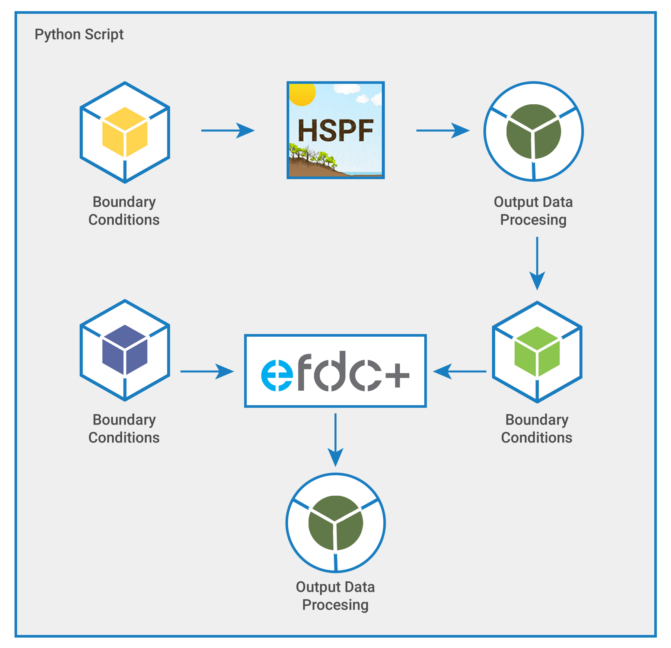
Developing a hydrodynamic or a water quality model often requires boundary conditions from other sources
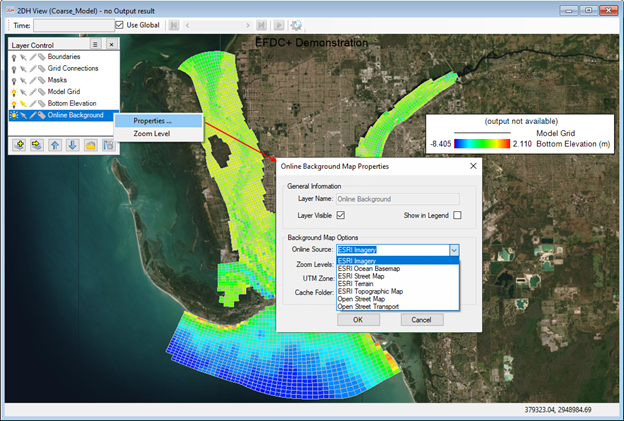
As we added new features to EFDC+, our Graphical User Interface (GUI), EFDC+ Explorer (EE) has also changed to support these new features and capabilities.
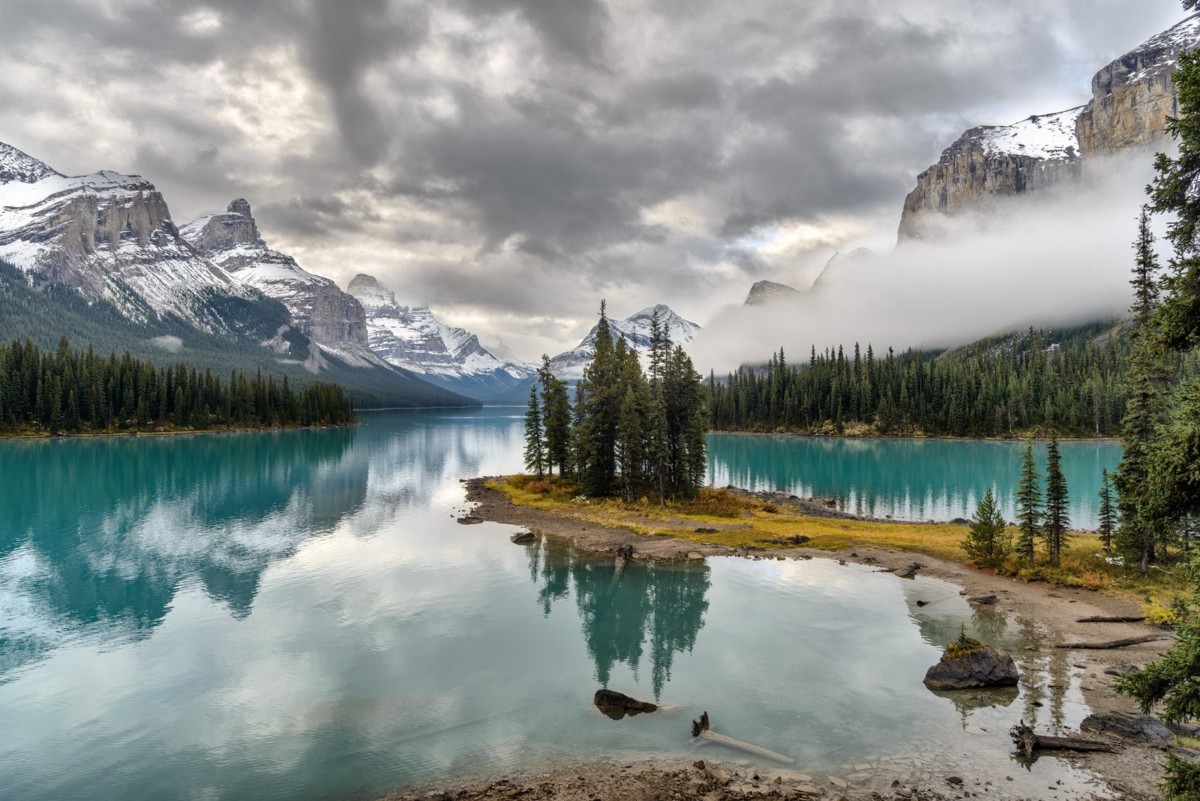
A commonly recognized phenomenon is that as the altitude increases, the atmospheric pressure decreases.
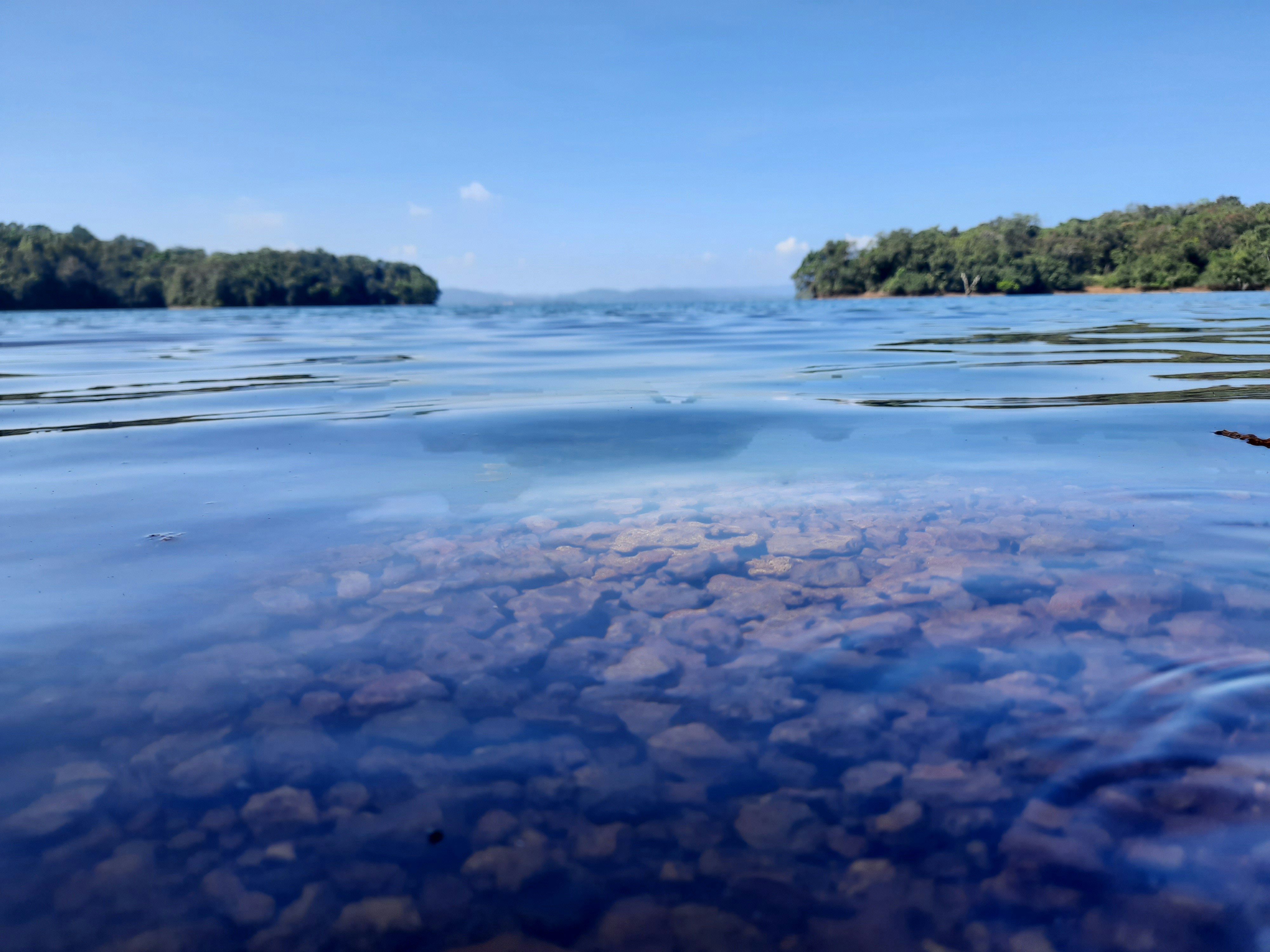
DSI developed a three-dimensional water quality model using EEMS to generate predictions of eutrophic characteristics, including dissolved oxygen levels, algal concentrations, and nutrient rates.
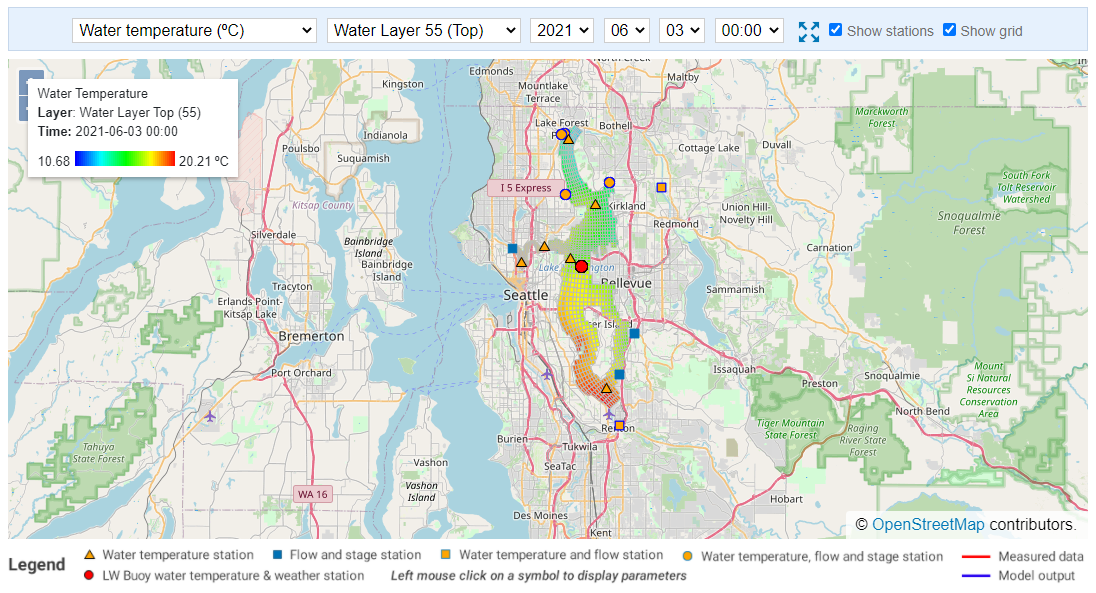
DSI recently developed a real-time model for Lake Washington, along with a public-access model portal.
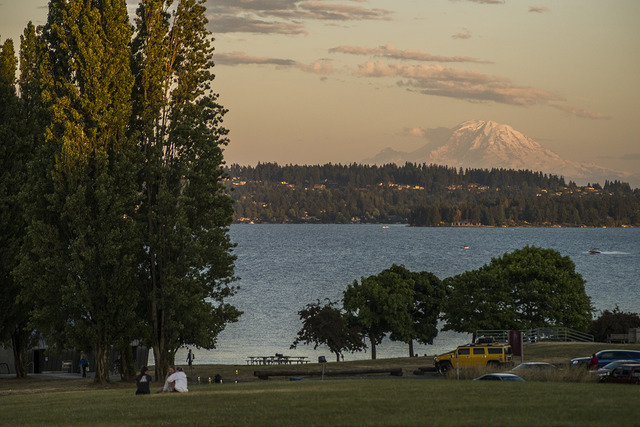
Beaches and parks along Lake Washington provide a great environment for outdoor activities and relaxation for residents nearby.
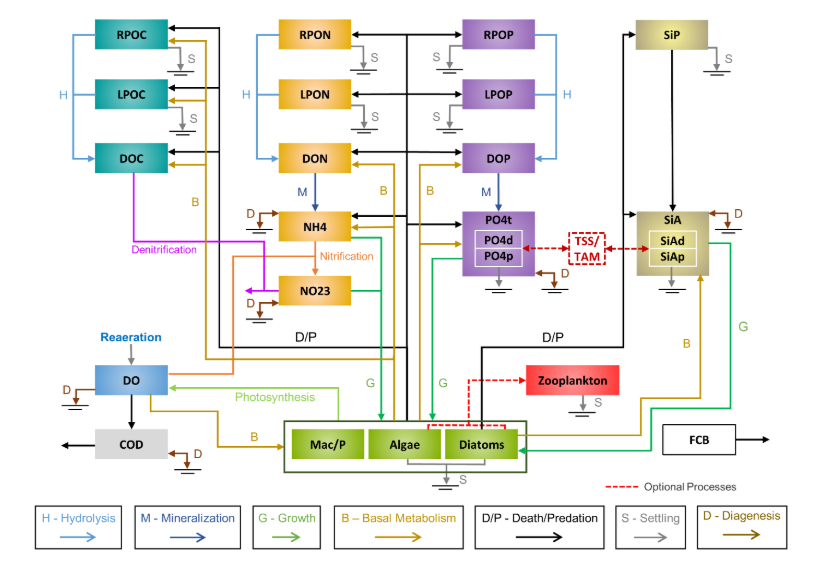
In EFDC+, the eutrophication module refers to modeling aquatic plants and algae, zooplankton, and the biochemical transformation of nutrients during this process.
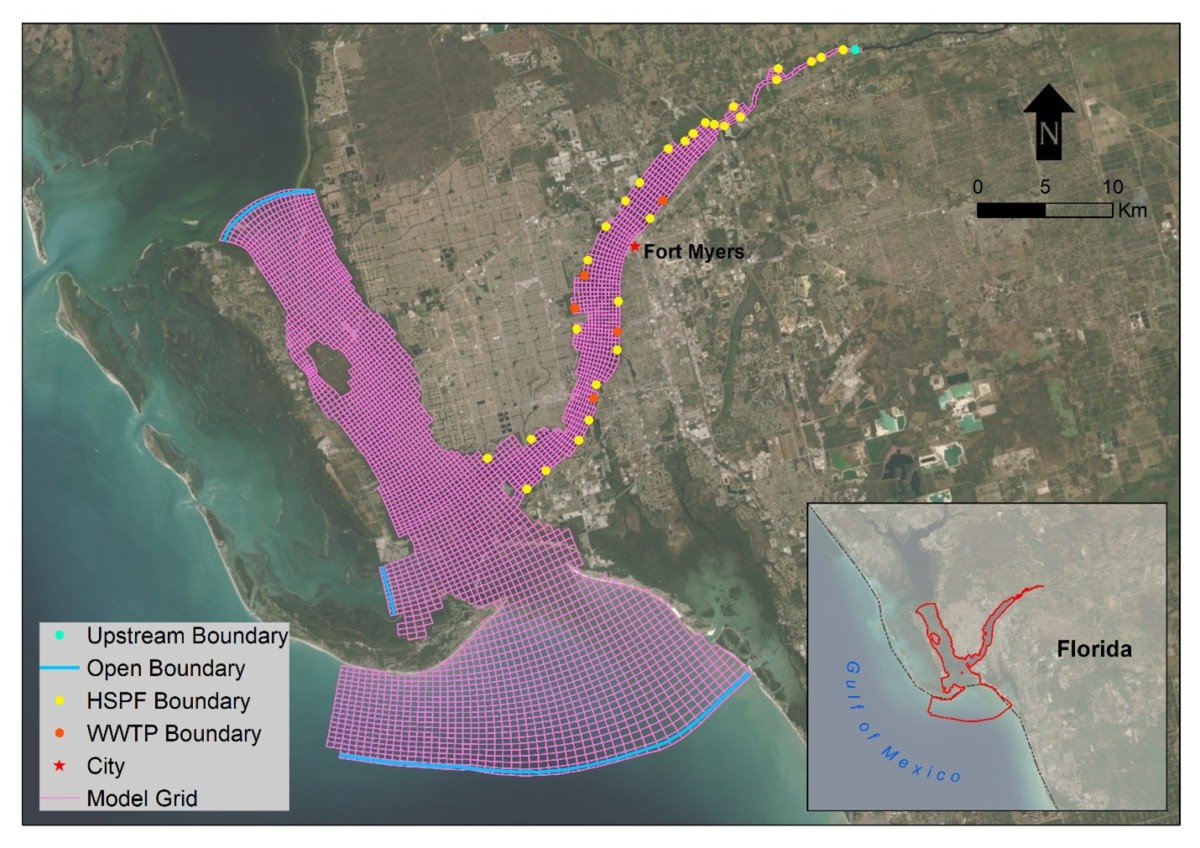
A waterbody typically has multiple tributaries contributing flow and other constituents to the domain.
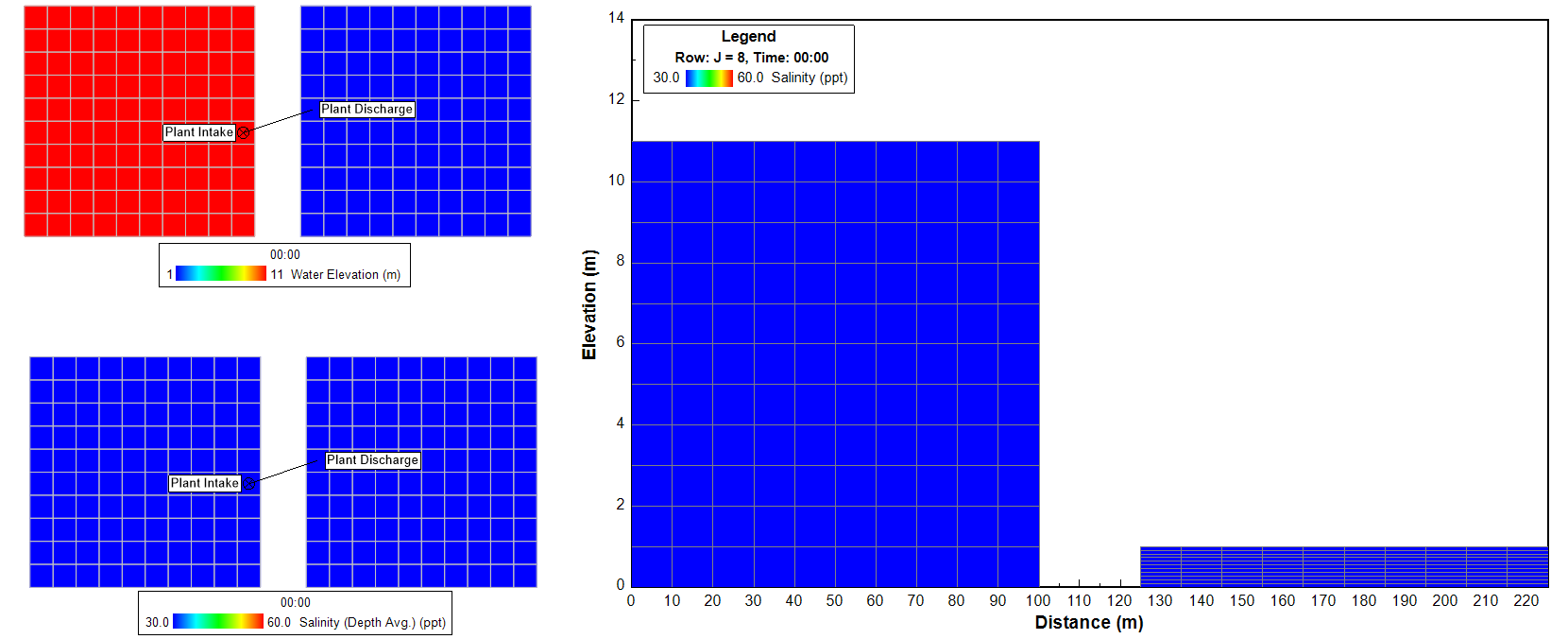
EFDC+'s withdrawal/return boundary condition now supports signed discharge modifiers and per-constituent offsets, so you can represent consumptive intake, brine discharge, and dilution with the discharge concentration derived from mass conservation instead of a prescribed value.